
Both Transloading and Cross-docking are supply chain strategies used for enhancing efficiency in transferring & unloading freight/goods, while they differ in their approach and suitability for specific requirements or in specific situations.
They both are intended to approach the same goal. They are being used to reduce the costs of the supply chain. Both are used for handling goods & delivering to multiple destinations. But in a different track or container.
Explanation of Transloading

Transloading is a process that includes transferring freight from one mode of transport to another. It mostly includes the process of shipping containers arriving by ocean, transferred onto rail cars or trucks at a Transloading facility.
This process is suitable in International transport mode where goods are arriving from different places via sea track or some other transport modes & may be transferred into rail cars or trucks for efficient outbound delivery & it reduces storage time & shipping costs.
Explanation of Cross-Docking
Cross-docking is the process of unloading the goods from inbound trucks to the cross-docking facility & directly loading them into the outbound trucks or containers. It reduces or completely eliminates the need for a warehouse or third-party contracted warehouse.
It does not need any storage or needs only minimal storage to load goods from the Cross-docking facility to outbound Trucks or vehicles.
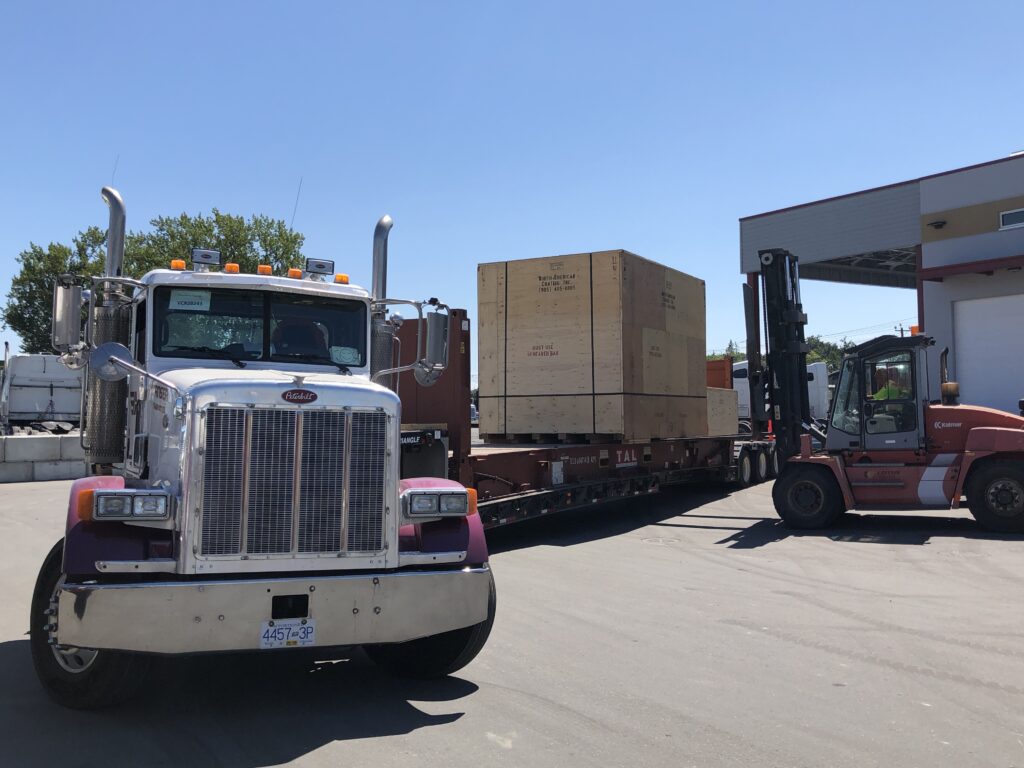
What is Transloading Most Suited For?
Transferring goods between different transportation modes, mostly for international transport modes to rail or truck. Suitable for situations where goods need repackaging or consolidation.
Key Benefits of Transloading:
- Efficient Supply chain process: It enhances efficiency of the supply chain because it uses more than one mode of transport to transfer freight, which may result in lower costs & minimize the time of reaching & reduce overall reaching / transit time.
- Available Storage for long-term storage: Transloading Service allows for having a storage facility to store freight temporarily, which is good for any long-term need for storage if the final destination of storage is not ready yet to receive the Shipment.
- Lower transportation costs: allows goods to be moved in multiple modes of transport, Transloading can lead to reduced transportation costs, for international shipments that might benefit from the intermodal transportation options that transloading provides.
Potential Challenges with Transloading:
- Possible Shipping Delays: The Transloading process needs Freight to be moved from one transport mode to another, which leads to specific delays if it’s not appropriately managed.
- Suitability of Goods which are being set to be transferred: Some goods or Freight are not suitable for Transloading. It may require more controlled management than the Transloading Facility provides.
- Possibility of certain damage or theft: The more times goods are handled, the higher the risk of damage, as it involves multiple transport modes, so there are multiple handling resources at every mode. This leads to a higher risk of theft or damage to goods as goods are moved and stored multiple times before reaching their final destination.
Key Benefits of Cross-Docking:
- No need for Storage Warehouse: there is little to no requirement for warehouse space because products are directly transferred from the inbound to the outbound transportation vehicle or truck.
- Lower Transportation Costs: Cross-docking Service may lead to lower transportation costs by applying such methods as Smaller loads can be combined into single transport modes, i.e., full truckload prepared for multiple destinations to come into a central docking place.
- Reduced Labour Costs: Cross-Docking typically reduces Labor costs by reducing the need for Picking, Packing, & Storing Goods. It does not require that much manual work & it also reduces the training time of the workforce.
Potential Challenges with Cross-Docking:
- Specific Planning & Coordination Required: The Time-to-time arrival of inbound Shipments & Direct transfer to outbound trucks requires/demand a highly managed plan or well-mannered communication & this kind of thing can require Resources to maintain.
- A large volume of goods is necessary for Cross-docking: A business typically needs a large volume of goods moving through the supply chain. The cost savings from cross-docking may be realized with High volumes of Goods. Cross-docking service is less effective for a smaller Volume of goods or operations.
When to choose transloading or cross-docking ?
Both processes are similar on the surface, but there are important differences between them, which makes them separate by choosing them based on the situation.
Situation 1:
Capacity of Goods
The First thing is to check the Volume of Goods of the Shipment. Cross-docking may require a High Volume of goods to have cost-effectiveness, while Transloading is flexible in terms of volume of goods, as it has mostly International Transportation Modes.
Situation 2:
Need for Storage Warehouse
You must check whether the Storage Space needed is Necessary or not. The Transloading Process may need a Warehouse to store Goods / Freight for the long term in a situation where the destination is not ready yet to receive Shipment, while Cross-Docking does not need storage space as products are directly transferred from the inbound to the outbound transportation vehicle or truck.
Situation 3:
Delivery Speed
You need to know the necessity of the Speed of Delivery. Cross-Docking is fast in Delivering Goods, which cannot be good for Time-sensitive Goods, while Transloading can be slower than Cross-Docking due to multiple Transport Modes handling & Multiple Destination handling.
Transloading vs Cross-Docking
| Features | Transloading | Cross-docking |
| Transportation Mode | Multiple | Single |
| Warehouse | Need a warehouse for temporary storage. | No need for a warehouse. |
| Delivery time | Slow because goods are being handled in multiple transport modes. | Faster than transloading. |
| Workforce | Need a workforce to handle goods or containers at every transportation mode. | Need little or no workforce to handle goods. |
| Transportation Handling | Some goods need more controlled handling for transferring, which is not suitable for transloading. | If transportation handling is coordinated by perfect planning, it can lead to quicker handling with a smaller workforce. |
| Suitability | Mostly used for International exports or intermodal transportation. | Mostly used for same-day deliveries with smaller volume shipments combined into one shipment to reduce the cost of time & warehousing. |
Transload services and Cross Docking in Surrey BC
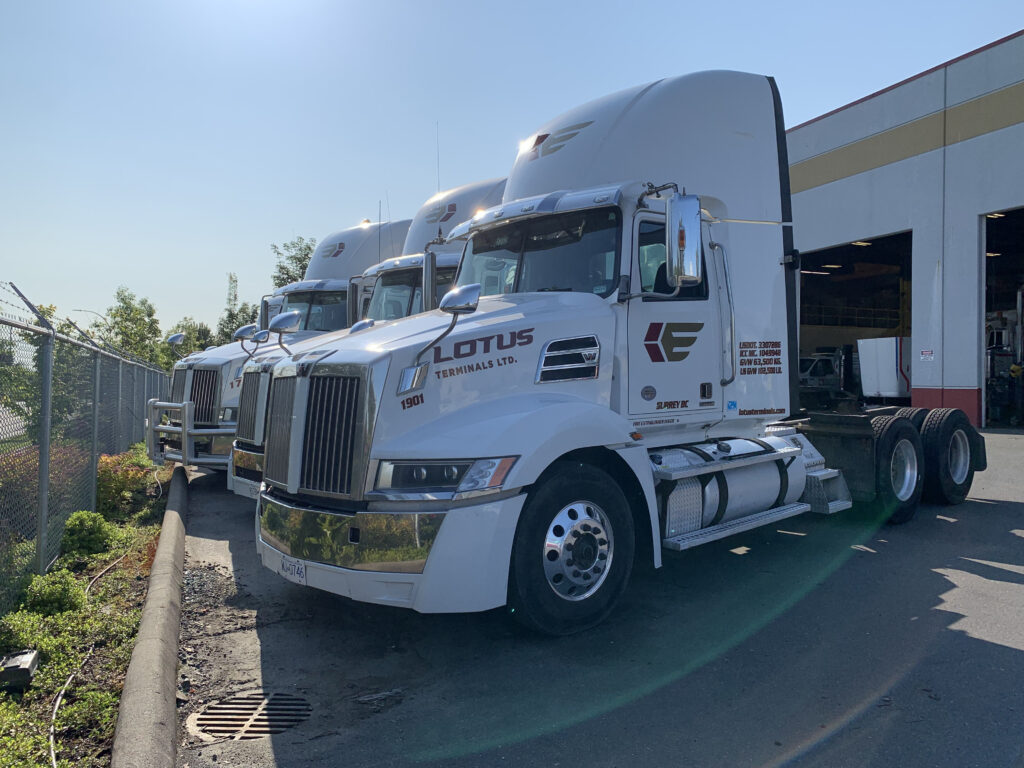
Now that we have clarified the differences between the services, it’s time to understand why we at Lotus, are experts at both. Lotus Terminals provides the right service for you. Whichever goods or how you need to ship or store your freight. We are providing seamless Transloading & Cross-Docking services or warehousing you need in Surrey, BC, Canada.
Why choose Lotus Terminals?
Lotus Terminals also offers desiccant bags for moisture protection inside the export containers while transloading, which protects against moisture-related damage of goods. So, your freight is safe with us & our Expert team handles it in the best way.
- Desiccant Bags for Moisture Protection: These bags protect against moisture-related damage inside export containers. These bags reduce the risk of mold, mildew – especially critical for ocean-bound shipments following fumigation.
We provide the Best Supply Chain Management in these services to fulfill the Criteria & care of Goods/freight, which is a more Important part of these services. We follow the time & freight’s enhanced management during its journey from the producer or supplier to its final destination.
Our Facility in Cloverdale, just outside Vancouver, is equipped with indoor overhead cranes & outdoor Transloading equipment, which are effortlessly managed by Our Experienced & Expert Team to move your freight safely & efficiently.
Make us Your Next Shipment Partner for the best transloading & Cross-Docking services in Canada.
Our 2025 mantra—Everything Matters—guides every detail we manage. And now, that includes desiccant protection for ocean exports.
Get Started
Ready to get started?
Contact us today at bringit@lotusterminals.com to get a quote on your next shipment!
Frequently Asked Questions:
The transloading process involves transferring goods between various modes of transportation, such as from ocean to rail or truck, while the cross-docking process includes quickly transferring goods from inbound to outbound vehicles within the same transportation.
Yes, cross-docking is faster than transloading. Cross-docking uses one single mode of transport to transfer goods, and it reduces the time of storing goods as they are directly transferred from inbound to outbound trucks, while the transloading process switches between multiple transportation modes, which may require temporary storage & time of handling goods.
For transloading, you will need warehouse space, while for cross-docking, you don’t need to have warehouse space.
Lotus Terminals uses desiccant bags for moisture protection inside the export containers while transloading, which protects against moisture-related damage of goods.
Yes, cross-docking can be cost-effective for small shipments. Specifically, when consolidating them into larger, more effective loads. Many businesses can reduce the costs of transportation by combining multiple smaller shipments, which also reduces warehousing fees & speeds up the delivery times.
