
When you’re getting ready to ship heavy machinery, start by reviewing the basics: the machine’s specifications and dimensions, the crating and packaging materials, the transport method, and any required permits. Make sure you have skilled people handling the loading and unloading, use the right specialized equipment, and choose a logistics partner with solid experience, a good reputation, reliable tracking, and a clear understanding of heavy machinery crating requirements.
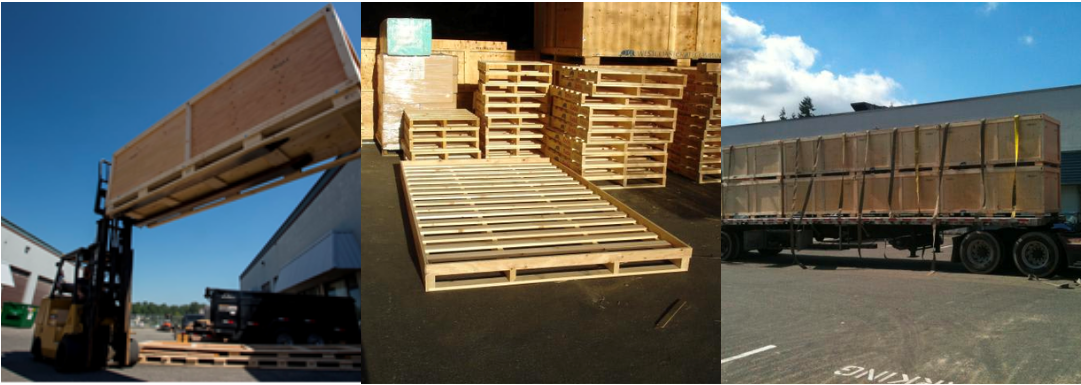
The Important Tips for crating, Packaging & Shipping Heavy Machineries
When transporting heavy machinery, proper crating is essential for safe, damage-free delivery. There are several key factors to consider when crating or moving heavy or oversized items, including:
- Careful analysis of equipment dimensions and weight
- Professional expertise to ensure compliance with regulations
- Smart space utilization
- Methods that help save both time and money
Custom Crates for Large and Heavy Machinery
Use custom wooden crates specifically designed for the machinery’s dimensions and weight. This helps provide solid protection throughout transport.
Reinforcing the Crate
Make sure the crate has strong structural integrity. Use high-quality materials and reinforce edges with extra bracing to protect against damage and impacts during transit or storage.
Accessibility
Design the crate for easy loading and unloading. Features like removable panels or access points make it simpler to complete inspections or minor repairs while the machinery is in transit.
Ventilation
Include proper ventilation in the crate to prevent moisture build-up and reduce the risk of corrosion.
Protecting Your Large Machinery pieces with custom packaging
Tailored packaging inside the crate is essential to keep your machinery safe during transit and ensure it arrives in good condition. Here are key steps to follow:
1. Secure fastening
Securely fasten the machinery to the crate or pallet using straps, chains, or other restraints to prevent shifting and damage during transit.
2. Blocking and bracing
Use blocking and bracing techniques to stop the machinery from moving inside the crate.
3. Shock absorption
Include shock-absorbing materials such as foam, rubber, or air cushions to reduce the impact of vibrations and shocks during transportation.
4. Protective packaging
Wrap delicate or exposed parts with protective materials like foam or bubble wrap, then secure them with tape or other fasteners.
5. Moisture control
Lotus Terminals Ltd. uses desiccant bags to control humidity levels inside the packaging and help prevent rust and corrosion.
Ensuring Heavy Machinery shipment safely
A successful heavy machinery shipment depends on solid crating and packaging. It’s also important to choose the right shipping method, especially when budget and timing matter.
Do a proper analysis
Carefully review the machinery’s dimensions, weight, and any special handling needs. This helps you choose the most efficient way to move it.
Choosing the right shipping method
Based on the machinery’s size, destination, budget, and timeline, pick the most suitable option, such as:
- Domestic shipping
- Ocean shipping
- Air shipping
- LTL (less-than-truckload) freight service
- International shipping
Work with handling professionals
Partner with experienced logistics providers who specialize in heavy machinery transport. Lotus Terminals Ltd. offers custom wood crating, machinery shipping solutions, and some of the best industrial crating services in Canada.
Route planning
Plan the route carefully to avoid obstacles and make sure everything follows local rules and regulations.
Several Product-specific packaging solutions at Lotus Terminals Ltd.
Lotus Terminals Ltd. offers several packaging options for manufactured goods and prototypes, including:
- Anti-static packaging
- Heat shrink wrapping
- Hard shell cases
- Corrugated packaging
- Specialized cushioning
- Vapour barrier protection
Types of Heavy Equipment commonly shipped
Shipping heavy equipment takes experience and careful attention from the team handling the move. Some of the most common types of equipment shipped include:
Construction equipment
This includes machinery used on construction projects, such as:
- Excavators
- Bulldozers
- Motor graders
- Dump trucks
- Backhoes
- Tower cranes
- Compactors
- Asphalt pavers
Medical equipment
This includes heavy machines used in hospitals and medical facilities, such as:
- MRI machines
- CT scanners
- X-ray machines
- Dialysis machines
- Surgical tables, etc.
Aerospace and aviation equipment
This category often involves heavy and oversized pieces, including:
- Jet engines
- Wing assemblies
- Landing gear
- Fuselage sections, etc.
Audiovisual and electronics equipment
With the growth of technology and digital infrastructure, many electronic devices also need careful shipping, such as:
- Data center equipment like servers and storage units
- Broadcasting devices
- Large-scale audio systems, etc.
How to calculate the cost of Heavy Equipment Shipment?
Shipping heavy equipment can be complex and expensive. The total cost depends on several factors, including size, weight, distance, and the transportation method.
Here are the main points that affect the cost of a heavy machinery shipment and can help you make better decisions:
Key factors that affect shipping costs
- Size and weight:
The larger and heavier your shipment is, the more it will cost. Bigger items take up more space and require more fuel and capacity to move. - Distance:
The farther the shipment has to travel, the higher the cost. International transport is usually more expensive than domestic transport. - Transportation method:
Heavy equipment can move by road, rail, sea, or air. Each option has its own pricing structure and cost range. - Fuel costs:
Changes in fuel prices directly affect shipping costs. - Delivery location:
Shipping to or from remote or hard-to-reach locations can be more expensive because of the extra time and fuel required. - Additional requirements:
If your shipment needs special handling, extra protection, escorts, or permits due to its size or weight, this will increase the overall cost.
Things to consider when shipping heavy equipment
When shipping heavy machinery, choosing the right transportation method is only part of the job. You also need to make sure the machine is prepared properly.
Here are a few important points to consider:
Permits
Make sure all shipping paperwork and permits are in place. Some shipping companies handle permits for their clients, so talk to them about what documents you need to provide.
Check the manual
Review the owner’s manual or speak with the manufacturer to understand the correct way to dismantle or prepare the machinery for transport.
Package parts
Label all parts clearly before shipping and create a detailed inventory list. This is especially helpful if you are not familiar with the machinery and will need to reassemble it after delivery.
Lotus Terminals’ Heavy Machinery Transportation Options
To handle heavy machinery successfully, Lotus Terminals offers multiple transportation options and selects the right one for each load, then carefully manages the entire run.
Our heavy machinery transportation options include:
- Flatbed heavy machinery shipping
- Step deck freight shipping
- Double drop trucking services
- Oversized machinery transportation
- FTL (full truckload) heavy machinery trucking
- Heavy haul trucking
Get Started
Get Started with Lotus Terminals Ltd.
Ready to move your heavy or oversized equipment?
Reach out to our team of experts and let’s get your cargo moving safely and cost-effectively.
Contact us at bringit@lotusterminals.com to start planning your next oversized shipment, including heavy equipment crating and custom wood crating services.
Frequently Asked Questions:
Most heavy machinery is too large or too heavy for standard shipping containers or pallets. Oversized equipment often exceeds standard dimensions and weight limits, which can lead to unsafe loading, the need for major disassembly, or modifications that aren’t ideal for the machine.
Use heavy-duty straps, industrial-grade chains, or strong clamps to lock the equipment in place. The goal is to keep the machinery from shifting inside the crate so it stays stable and protected from vibration damage during transit.
Fragile or exposed parts should be wrapped in protective materials like foam or bubble wrap before being taped and secured. This helps absorb shocks and vibration during transport. Shrink wrap can also be used to add another layer of protection and keep dust and moisture away from the equipment.
At Lotus Terminals, we typically crate and prepare heavy equipment at our own facility, where we have the right space, tools, and handling equipment. In many cases, your machinery or existing crate will arrive at our yard, and we will either build new custom crating or improve what’s already there.
If needed, we can also take apart existing crating and rebuild it to meet more demanding standards, so the cargo is better protected for the next leg of its journey.
To check a company’s expertise with your type of machinery, you can:
- Review their industry specialization
- Read customer testimonials or ask for brochures
- Ask for certifications such as ISPM-15, MIL-SPEC or military packaging standards, and ANSI/ASTM crating guidelines
- Ask about their engineering process for custom crates, including weight distribution planning, load-bearing calculations, shock and vibration protection, and anchoring and bracing plans
- Confirm they carry proper insurance
- Check what on-site handling tools and equipment they use
